By Chris Marwin Tuvilleja
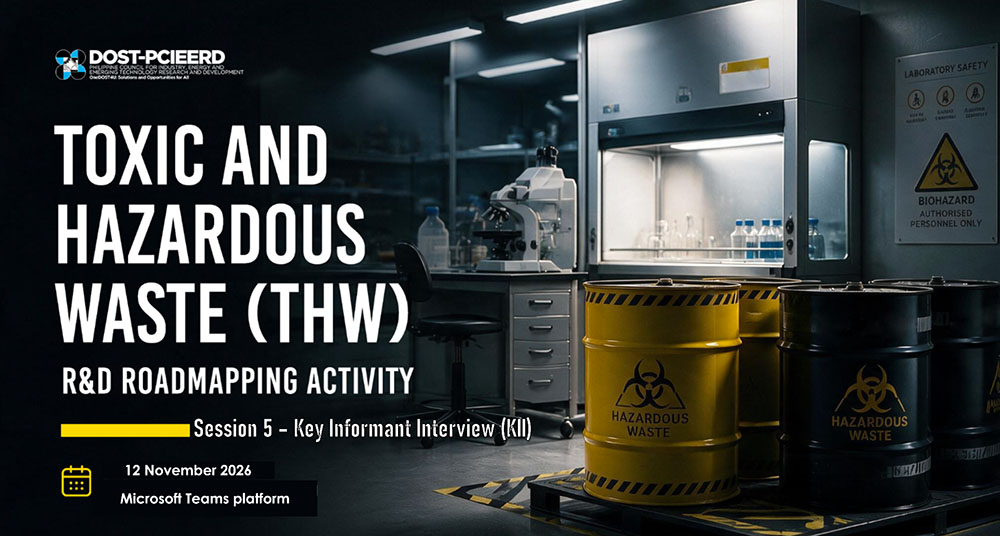
DOST Balik Scientist Dr. Jebie A. Balagosa joins experts in identifying research priorities for the safe management and long-term containment of radioactive waste during the November 12 Toxic and Hazardous Waste R&D Roadmapping Activity via Microsoft Teams.
Central Philippine University (CPU) and the Iloilo City Government, through their DOST Balik Scientist Dr. Jebie A. Balagosa, marked another milestone in research engagement as he participated in the DOST-PCIEERD Science and Technology Toxic and Hazardous Waste (THW) R&D Roadmapping Activity held on November 12, 2026, via the Microsoft Teams platform.
Invited by the Department of Science and Technology–Philippine Council for Industry, Energy and Emerging Technology Research and Development (DOST-PCIEERD), Dr. Balagosa was recognized for his specialized expertise in geotechnical engineering, soil dynamics, radioactive waste containment, and nuclear waste repository systems. The consultation also engaged other DOST Balik Scientists representing various scientific disciplines and sectors, bringing multidisciplinary expertise to the identification of national research priorities in toxic and hazardous waste management.
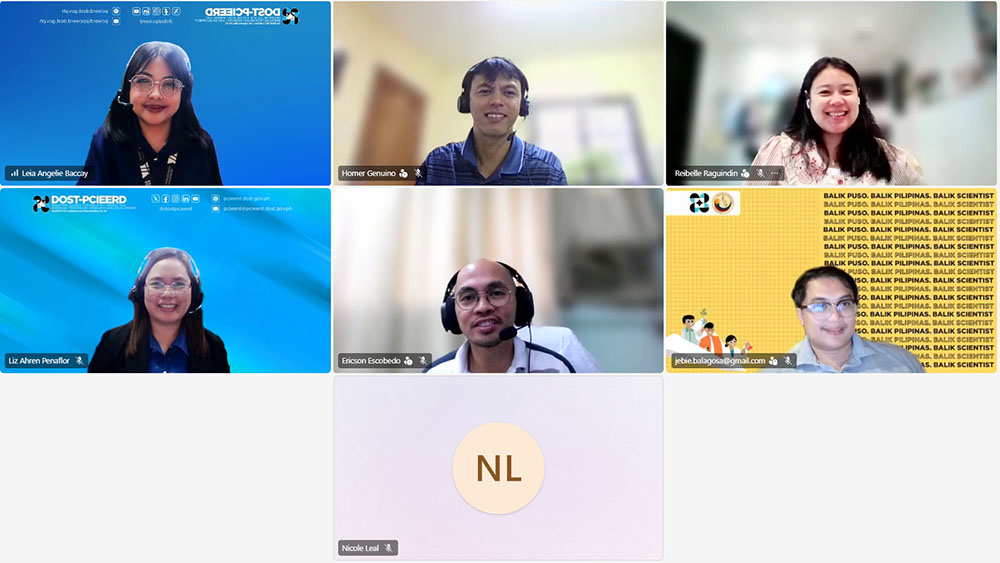
Dr. Jebie A. Balagosa and fellow participants pose for a group photo during the Toxic and Hazardous Waste R&D Roadmapping Activity.
His international research collaborations with Kongju National University and the Korea Atomic Energy Research Institute (KAERI), South Korea, have produced peer-reviewed scientific publications on compacted bentonite and engineered barrier systems for deep geological nuclear waste repositories. These studies examine the mechanical and dynamic behavior of containment materials, contributing to the scientific understanding of long-term nuclear waste isolation and repository safety.
During the national R&D roadmapping activity, Dr. Balagosa brought geotechnical engineering perspectives to discussions on geological containment, engineered barrier performance, site characterization, and the development of research capabilities relevant to the Philippines’ emerging nuclear energy sector.
As the Philippines moves toward nuclear energy development, the need for scientific expertise extends beyond power generation to the safe containment and long-term management of radioactive waste. Dr. Balagosa’s research background presents opportunities for future collaborations with government agencies, nuclear research institutions, and international technology partners in advancing the country’s technical readiness.
His participation also underscores the growing role of the CPU–Iloilo City Government partnership under the DOST Balik Scientist Program in connecting local research capabilities with national science, technology, and innovation priorities.
Through sustained international research engagement and multidisciplinary collaboration, the DOST Balik Scientist Program continues to bridge global scientific expertise with Philippine research and development priorities, strengthening opportunities for innovation in nuclear energy safety, environmental protection, hazardous waste management, and sustainable infrastructure development.