By Karren Jay G. Asgar
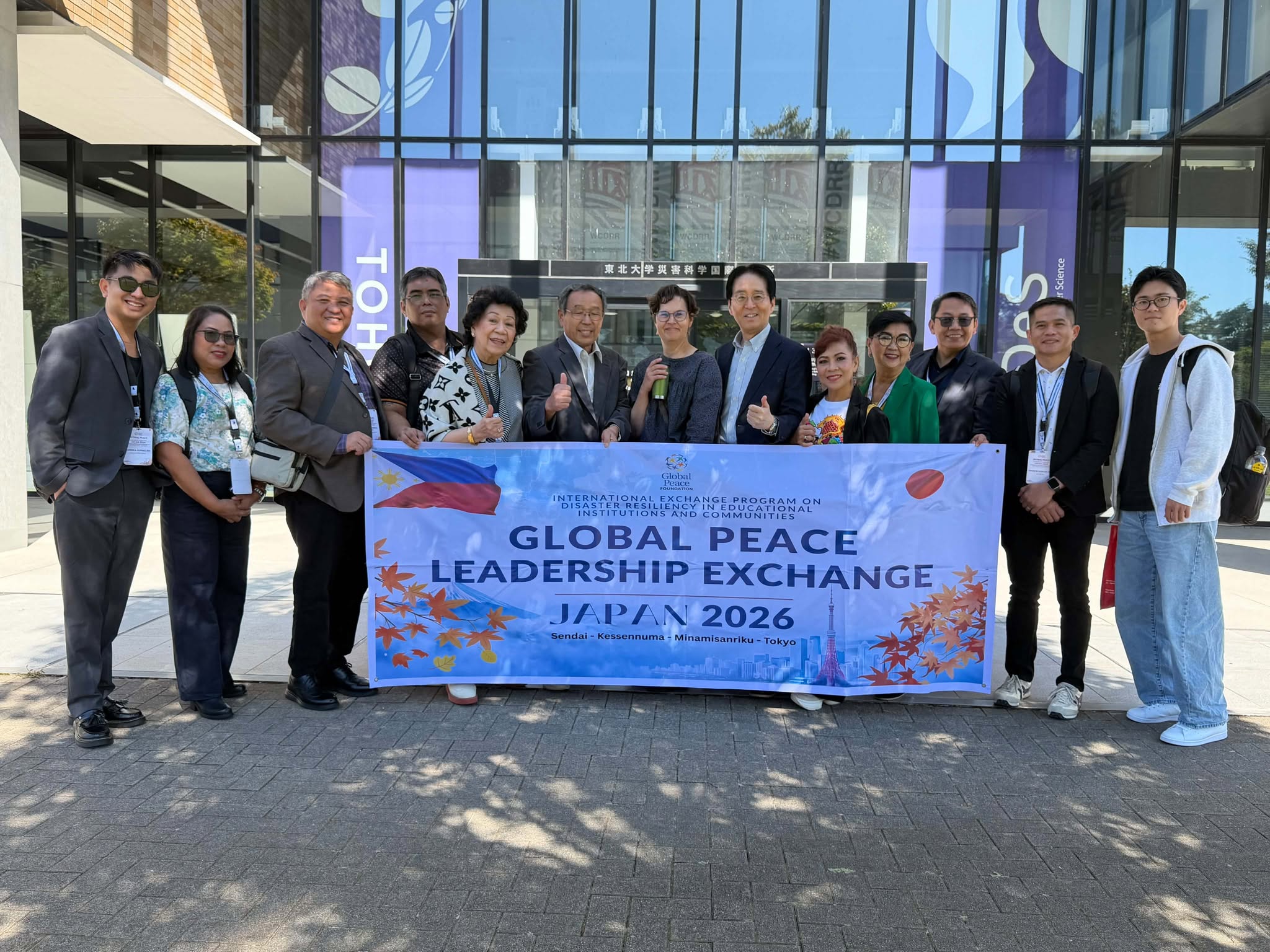
Assoc. Prof. Annalie D. Gilongos (2nd from left), NSTP Coordinator, and Mr. Mark Clemens J. Ortaliz (4th from left), NSTP faculty member and CPU Webmaster, joined fellow delegates at the Global Peace Leadership Exchange Japan 2026, which focused on disaster resiliency in educational institutions and communities.
Central Philippine University (CPU) delegation members Assoc. Prof. Annalie D. Gilongos, NSTP Coordinator, and Mr. Mark Clemens J. Ortaliz, NSTP faculty member and CPU Webmaster, participated in the Global Peace Leadership Exchange (GPLE) Japan 2026, held from October 8 to 12, 2026.
The exchange focused on strengthening disaster resilience in educational institutions and communities through firsthand learning about Japan’s disaster preparedness and recovery efforts. As part of the program, the Philippine delegates visited the International Research Institute of Disaster Science at Tohoku University, where they viewed memorabilia from the devastating tsunami in March 2011 and learned about rehabilitation efforts, disaster response plans, and equipment designed to prepare for future tsunamis.
During the visit, Prof. Mari Liz of Tohoku University delivered a lecture on the March 2011 tsunami, discussing the events surrounding the disaster and the government’s rehabilitation plans for affected communities. Mr. Seietsu Sato, a former firefighter and tsunami survivor, also shared his firsthand account of the tragedy, recounting how he survived and lost his wife.
On the second day, the delegates visited Sato’s rice field to help prepare for the Rice Harvest Cup Festival. They also toured the Kesennuma City Memorial Museum, where they witnessed remnants of the tsunami’s destructive force, including a vehicle swept by the waves to the building’s third floor.
The group also visited the Kesennuma Fire Department, where Sato previously served as a firefighter. Firefighters from the department responded to fires that broke out after the tsunami damaged oil storage facilities in the area.
The third day featured the Rice Harvest Cup Festival at Sato’s farm, bringing together the Philippine delegates, Tohoku University students, visitors from Tokyo, and members of the local community. Activities included rice harvesting, bundling, and drying, followed by a friendly volleyball match between the Philippine delegates and Tohoku University students.
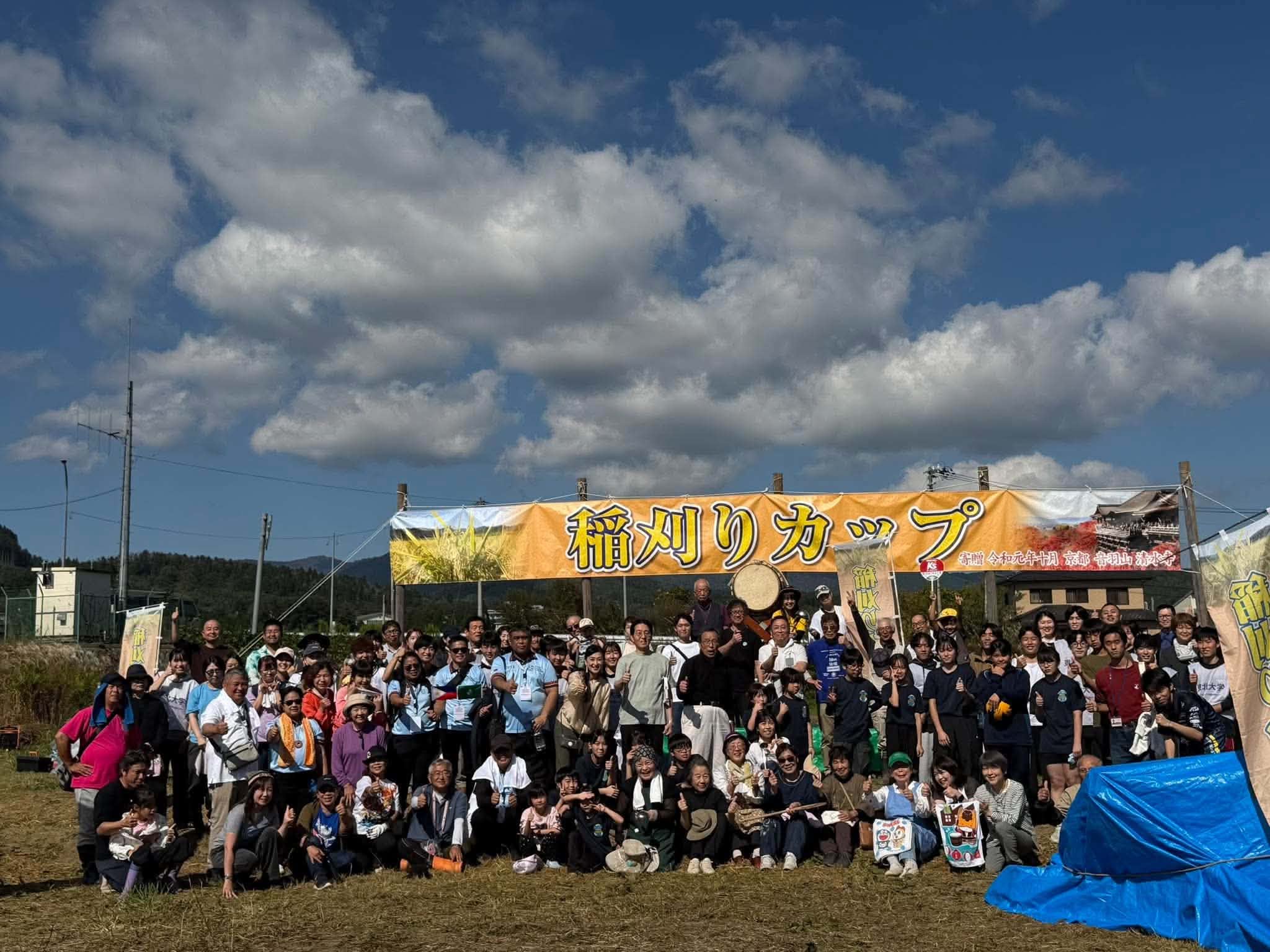
The Philippine delegates joined local residents and tourists in celebrating the Rice Harvest Cup Festival 2026 in Kesennuma, Japan.
The exchange concluded with an evening program at Minami Sanriku Hotel Kanyo, featuring live performances by Japanese and Philippine delegates.
On the final day, the delegates visited the former Tokura Junior High School, where Sato recounted how students and teachers survived the tsunami by evacuating to a nearby mountain. A clock showing the time the tsunami struck remained on display at the school.
They also visited the Minamisanriku Disaster Management Center, which was destroyed during the disaster. The visit continued to Koizumi Beach, where the delegates offered flowers at the site where Sato’s wife was found after the tsunami. They also listened to survivors’ testimonies, gaining further insight into the disaster’s lasting impact on individuals and communities.
Through the exchange, the CPU delegation gained insights into Japan’s approaches to disaster preparedness, emergency response, community recovery, and resilience. The program highlighted the importance of preparedness and collective action in strengthening the capacity of educational institutions and communities to respond to disasters.