
By Jarra Mikaela S. Maldecer
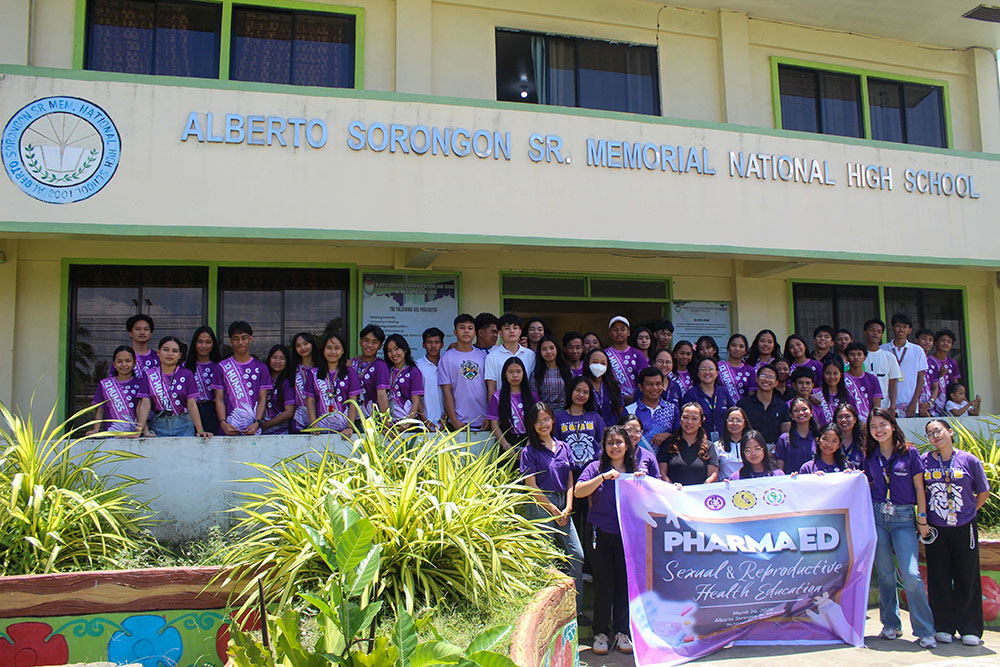
College of Pharmacy Student Council (CPU-COPSC) successfully conducted “PharmaED: Sexual and Reproductive Health Education” on March 24, 2026, at Alberto Sorongon Sr. Memorial National High School.
In response to the growing need for accurate and accessible health information among adolescents, the Central Philippine University – College of Pharmacy Student Council (CPU-COPSC) successfully conducted “PharmaED: Sexual and Reproductive Health Education” on March 24, 2026, at Alberto Sorongon Sr. Memorial National High School in Pototan, Iloilo.
PharmaED is a pharmacy-driven outreach initiative designed to address critical gaps in sexual and reproductive health awareness among young individuals. In an age where misinformation is widespread—often sourced from peers or social media—the project aimed to provide evidence-based, age-appropriate, and reliable health education. Through this initiative, pharmacy students took on the role of health advocates, utilizing their knowledge in medication safety, reproductive health, and patient counseling to guide and empower students.
The program featured a series of engaging and informative activities. One of its highlights was PharmaAsk: Anonymous Question, which created a safe and confidential space for students to raise sensitive concerns regarding reproductive health, medications, and personal well-being. This was complemented by a Health Awareness Talk led by pharmacy students Princess Samantha Joy Suarez and Angel Grace Galecia with the guidance of their advisers and pharmacy professionals, where participants learned about proper medication use and common mistakes in taking medicines. Additionally, a Reproductive Health Awareness Talk led by Mr. Karl Kevin Tima-an, RSW, focused on educating students about contraception, sexually transmitted infection (STI) prevention, and responsible decision-making.
The outreach successfully met its objectives, with students demonstrating improved awareness and understanding of key health concepts. Questions raised during the sessions reflected genuine curiosity and the need for proper guidance, reinforcing the importance of initiatives like PharmaED. The interactive and youth-friendly approach helped break barriers, allowing students to engage more openly in discussions that are often considered sensitive.
Despite initial challenges such as student hesitancy and time constraints, the facilitators adapted by fostering a supportive environment and prioritizing essential topics. These adjustments ensured that the program remained effective and meaningful for all participants. The experience also highlighted the importance of flexibility, clear communication, and the use of relatable teaching strategies in delivering health education.
Ultimately, PharmaED envisions a future where young individuals are empowered with the right information, guided by trusted health professionals, and capable of contributing to a healthier and more informed community. Through continued collaboration with schools and stakeholders, initiatives like this can create lasting impacts that extend far beyond a single day of outreach.