By Angelynn P. Espinosa
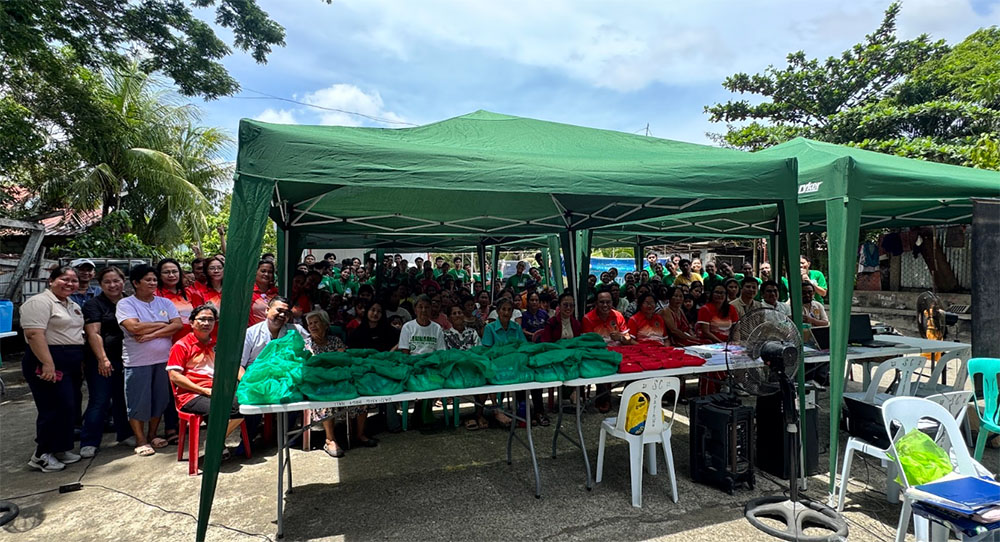
First year students of the CPU College of Medical Laboratory Science brought healthcare closer to Brgy. Badiang, Iloilo City through a community outreach program featuring health education, screenings, emergency preparedness training, and advocacy campaigns for disease prevention and community empowerment.
As part of its commitment to community engagement and health promotion, first-year students of the College of Medical Laboratory Science successfully conducted a community health outreach program entitled, “Community-Based Health Assessment and Public Health Intervention Activity,” in Brgy. Badiang, Iloilo City.
The activity aimed to address various health concerns through health education, disease prevention initiatives, emergency preparedness training, and health screening services.
One of the major highlights of the outreach was Project READYMEDY, an emergency preparedness initiative designed to equip families with practical knowledge and essential medical supplies during emergencies. Emergency medical kits were distributed to selected beneficiaries, while participants received hands-on demonstrations on basic first aid, proper use of N95 masks, preparation of oral rehydration solution (ORS), emergency whistle signaling, and other emergency response practices, as well as a health education session on communicable and non-communicable diseases which was fronted by Dr. Shenand Earl C. Ajito.
The activity emphasized the importance of preparedness and self-reliance during disasters and health emergencies.
The outreach also featured Project IGNITE, a gender-responsive health education campaign focused on increasing awareness of Human Immunodeficiency Virus (HIV) and Sexually Transmitted Infections (STIs). Through lectures, discussions, demonstrations, and educational materials, participants gained valuable knowledge about disease transmission, symptoms, prevention strategies, testing, treatment, and available healthcare services. The campaign also addressed stigma and promoted inclusivity by discussing gender-related factors that may influence vulnerability to infection.
To further promote community welfare and protection, a Violence Against Women and Children (VAWC) Awareness Seminar was conducted and led by Atty. Zulein May I. Gardose-Verzosa. The session educated participants on the different forms of violence and abuse, relevant laws protecting women and children, reporting procedures, and available support services within the community. The seminar aimed to empower residents to recognize, prevent, and report cases of abuse while fostering a safer and more supportive environment for vulnerable sectors.
Health screening services were likewise provided through Hemoglucose and Blood Pressure Testing, allowing residents to monitor their blood sugar and blood pressure levels. Participants received counseling and health education based on their results, helping raise awareness about non-communicable diseases such as hypertension and diabetes and encouraging healthier lifestyle choices.
But before these programs were implemented, the students were separated into groups to conduct a Community Health Assessment and SWOT Analysis to identify the strengths, weaknesses, opportunities, and threats affecting the health status of Brgy. Badiang. Data gathered through observations, interviews, and consultations with community leaders and health workers revealed valuable insights into the barangay’s healthcare resources and priority health concerns.
This community outreach was conducted as part of the course requirement for the Community and Public Health subject of the Central Philippine University – College of Medical Laboratory Science (CPU-CMLS).
The activity provided students with an opportunity to apply public health principles in a real community setting while promoting health awareness, disease prevention, emergency preparedness, and community empowerment.
The success of the outreach program was made possible through the active participation of barangay officials and health workers, community residents, faculty members, and student volunteers. Their collaboration and commitment contributed significantly to the achievement of the program’s objectives.