
By Angel Kristine Ang- BSTM 3
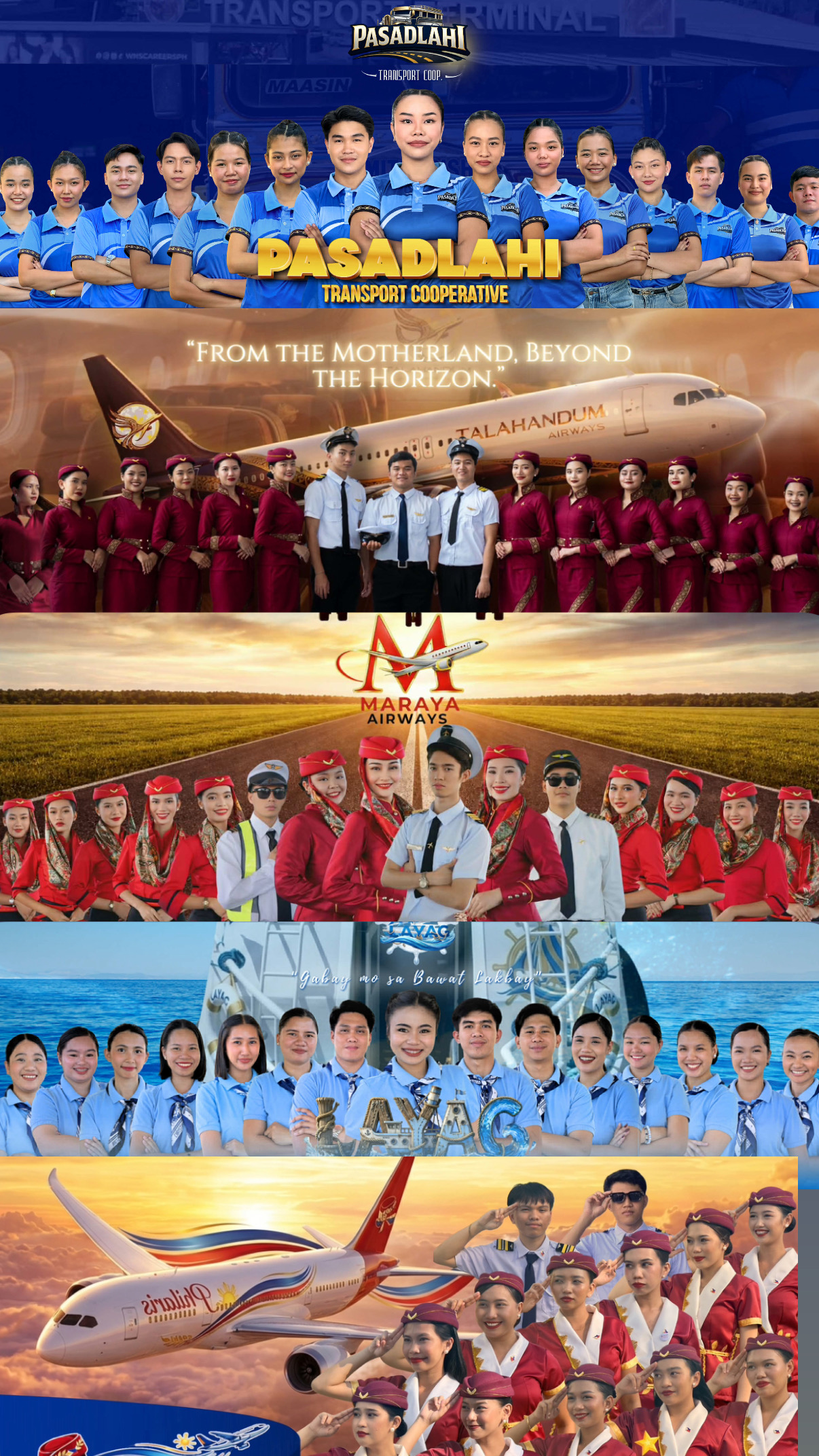
Students of the Dr. Lucio C. Tan College of Hospitality Management showcase Transportation Management as a catalyst for inclusive tourism through creative, advocacy-driven presentations
Transportation is often perceived as a simple function of travel—a system that moves people from one place to another. Yet within Transportation Management (TPC 3209), it takes on a far more meaningful role. It becomes a powerful force that shapes how individuals connect, experience cultures, and gain access to opportunities. For tourism students, transportation is no longer confined to routes, schedules, and logistics; it evolves into the art of designing journeys that are inclusive, purposeful, and responsive to the realities of society.
In today’s rapidly changing global landscape—where travelers are becoming more culturally aware and ethically conscious—transportation stands as a critical backbone of sustainable and inclusive tourism development. It is not merely about mobility, but about accessibility, representation, and connection.
This deeper purpose came to life during the culmination activity of third-year Tourism students from the Dr. Lucio C. Tan College of Hospitality Management, held in line with the 19th Voyager: “Prism of Cultures: The Future of Halal Tourism: Bringing the World Together Through Inclusive Travel.” More than a competition, the Transportation Management Class Showcase became a convergence of creativity, advocacy, and innovation—where classroom concepts were transformed into meaningful, real-world applications.
Challenged to think beyond convention, each of the four blocks randomly drew a mode of transportation—air, land, or sea—and developed it into a fully conceptualized company. What emerged was not just a display of technical skill, but a testament to vision and storytelling. From original musical compositions and compelling promotional and advocacy videos, to immersive booths and cohesive branding strategies, each group reimagined transportation as an experience that informs, inspires, and connects.
The results reflected both excellence and diversity in execution. Lilim Bus Liner secured 4th place, followed by Philaris Air in 3rd place, and Layag in 2nd place. A well-earned tie for 1st place was awarded to Maraya Airways and Talahandum Airways, both of which delivered exceptional and forward-thinking presentations that pushed creative boundaries.
Yet beyond the rankings, one concept emerged as a defining highlight—not only of the competition, but of the message it sought to convey. PasadLahi, named the overall champion, introduced the first jeepney-centered concept in the history of the Transportation Management class. In the context of the ongoing and often polarizing discourse on jeepney modernization in the Philippines, their project stood out for its courage and relevance.
PasadLahi was more than a presentation—it was a narrative rooted in empathy and social awareness. Through their original composition, promotional video, and advocacy-driven storytelling, the group shed light on the lived experiences of jeepney drivers, giving voice to a sector that is frequently overlooked. Their work captured both the struggles and resilience of these individuals, emphasizing the human dimension of transportation.
What made PasadLahi remarkable was not only its creativity, but its commitment to authenticity and inclusivity. It did not avoid complex issues; instead, it confronted them with sensitivity and purpose. By doing so, it transformed transportation into a platform for advocacy—one that highlights livelihoods, promotes understanding, and calls for solutions grounded in dignity and inclusiveness.
Guided by Sir Mike Mojica, the students demonstrated that meaningful learning extends far beyond theoretical knowledge. It is found in the ability to engage with real-world issues, to create with intention, and to lead with empathy.
Ultimately, the Transportation Management culmination was more than a showcase—it was a statement. A statement that the future of tourism lies in professionals who are not only innovative and skilled, but also socially aware and deeply connected to the communities they serve. Within the prism of cultures, transportation is no longer just a means of travel; it is a bridge of understanding, a platform for storytelling, and a driving force toward a more inclusive and compassionate world.