
By Cherrylyn M. Macairan
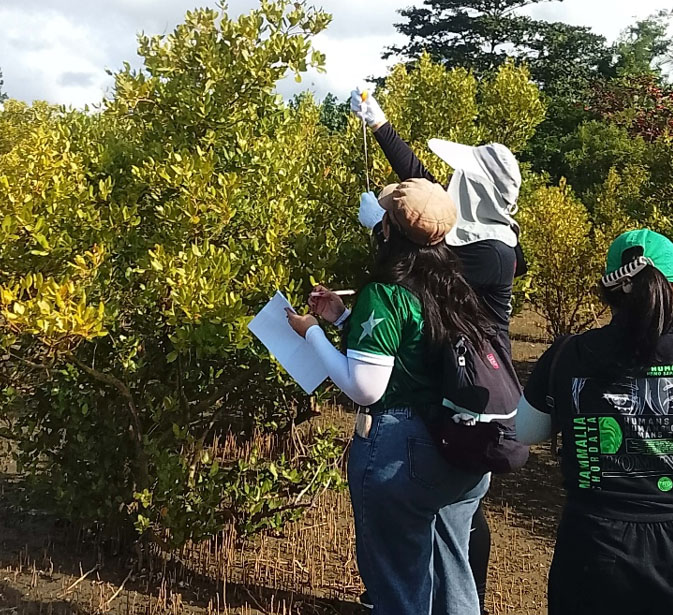
Mangrove and Barnacle Infestation Assessment in Brgy. Culasi, Ajuy involved CPU BS Biology students and faculty on March 6, 2026, conducting baseline surveys of mangrove species and barnacle colonization to support coastal ecosystem monitoring and conservation.
Fourth-year BS Biology students together with faculty members from the Department of Life Sciences conducted an initial mangrove biodiversity and barnacle infestation assessment in Barangay Culasi, Ajuy, Iloilo on March 6, 2026. The field activity was carried out as part of their academic training in ecological assessment and coastal resource monitoring.
The primary objective of the activity was to collect baseline data on the mangrove species present in the area, document their distribution, and observe the occurrence of barnacle infestation on mangrove trunks and roots. Mangrove ecosystems are essential coastal habitats that provide shoreline protection, nursery grounds for marine organisms, and significant ecological services; therefore, monitoring their health and biodiversity is important for conservation and management efforts.
During the activity, the students conducted a preliminary site survey and field observation, documenting the different mangrove species found within the coastal area. They also assessed the presence and extent of barnacle attachment on mangrove structures, particularly on prop roots and trunks, as excessive barnacle colonization may affect mangrove growth and vitality.
Data collected from this initial assessment will serve as baseline information for future ecological monitoring, research activities, and potential conservation initiatives in the mangrove forests of Barangay Culasi. Furthermore, the activity provided students with hands-on experience in field research methods, species identification, and coastal ecosystem assessment, strengthening their practical skills in environmental and marine biology.