
By Karren Jay G. Asgar
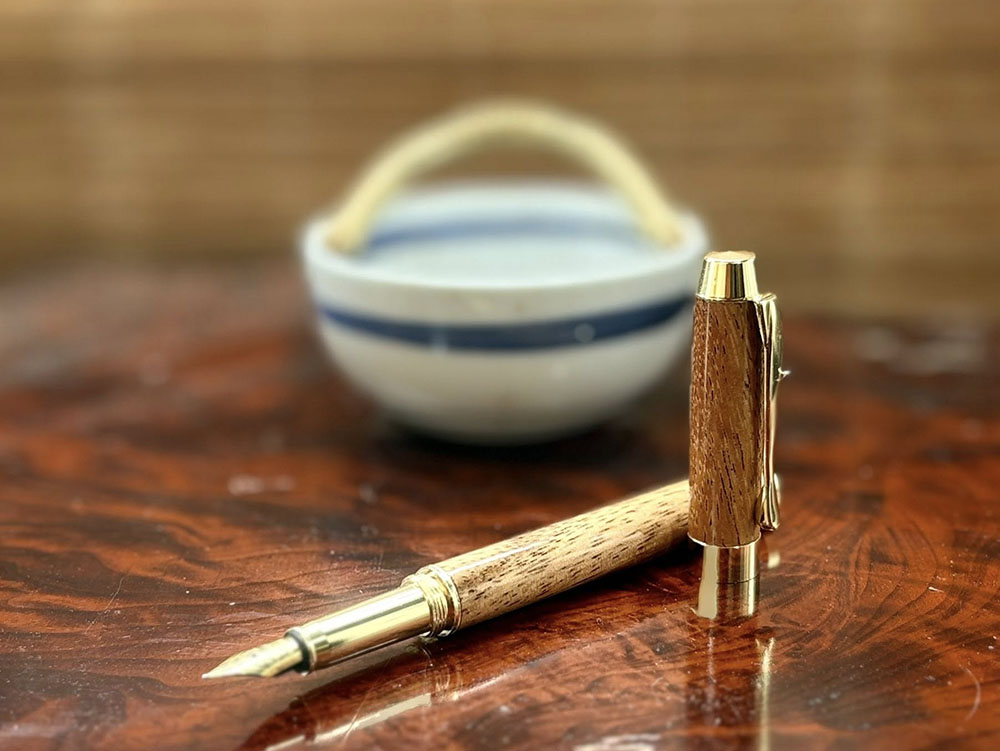
The Acacia Tree Ballpen by Banwa Pens is made from wood taken from a pruned acacia tree at CPU’s football field.
Centralians recently shared a Facebook post that quickly stirred nostalgia across timelines. The post featured a handcrafted ballpen made from wood taken from the acacia tree at the CPU football field, gifted by Rev. Albert Mark Java to his brother, who recently passed the 2025 Bar Examinations. What first appeared as a simple congratulatory gesture soon revealed a deeper story behind Banwa Pens and the meaning carved into each piece.
The acacia tree had long stood quietly at the football field, its branches wide and shade generous. It witnessed student laughter, hurried footsteps to class, victories on the field, silent reflections after exams, and friendships formed beneath its canopy. When it was pruned last year, Arnel John Vallejo, the man behind Banwa Pens did not simply see fallen branches. He saw an opportunity to preserve something meaningful.
For Vallejo, Central Philippine University is more than a campus. “It has been a thread running through generations.” His father once walked its grounds, his aunts built their dreams there, and now his own children study under the same acacia trees that once shaded their grandparents. In the pruned wood, he saw continuity and family history carried forward.
Transforming the acacia into a ballpen became a deeply personal endeavor. The challenge, however, was not only technical but emotional. Vallejo felt a strong responsibility to honor the story behind the wood. He avoided overdesigning the piece and chose not to conceal the natural grain, allowing the material’s character to remain visible and authentic.
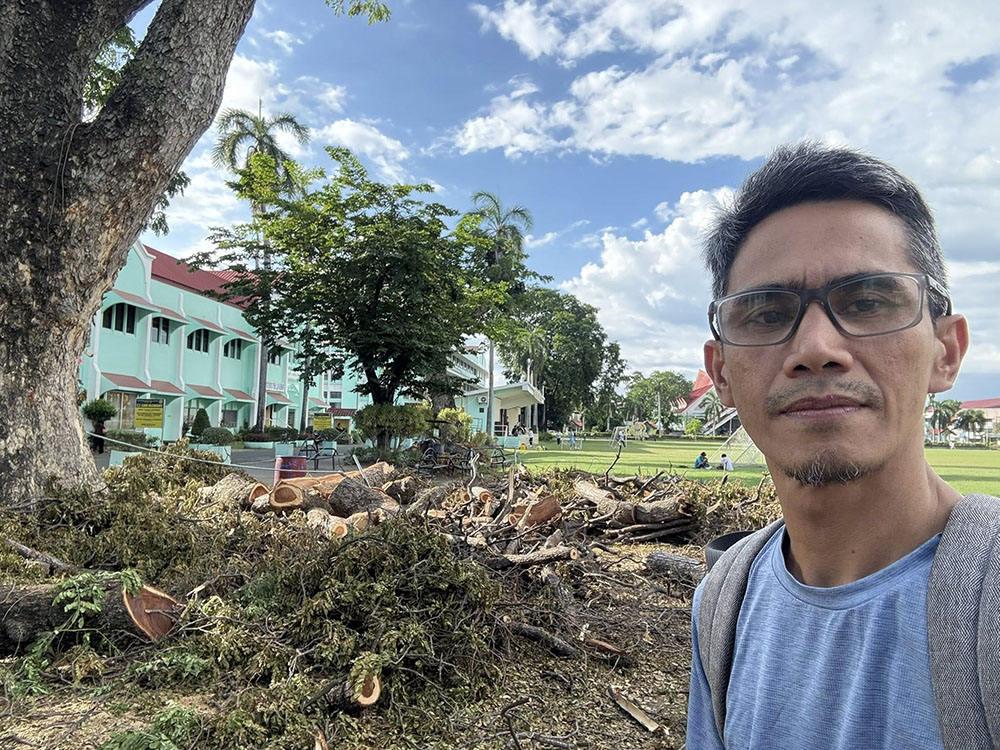
Arnel John Vallejo, the man behind Banwa Pens, poses for a photo with the pruned acacia tree at CPU’s football field, the same tree that inspired the creation of the Acacia Tree Ballpen.
When he shared the Acacia Tree Ballpen on Facebook, the response was immediate and heartfelt. “For them, the pen was not just wood. It was nostalgia you could hold.” Centralians began sharing memories of sitting under the acacia between classes, football field practices, campus courtships, and graduation photos taken beneath the same branches. Many expressed that owning the pen felt like bringing a piece of CPU home.
The project resonated beyond the Centralian community. Many appreciated the act of transforming pruned wood into something lasting, highlighting themes of legacy, sustainability, and honoring place. Fellow artisans admired the story-driven approach, recognizing how the material itself carried narrative weight. The experience affirmed Vallejo’s belief that meaningful craftsmanship fosters connection.
Today, the Acacia Tree Ballpens are produced in small, handcrafted batches, each piece signed and intentionally made. “The Acacia Tree Pen was only the beginning.” Interested buyers may send a direct message via Facebook at Banwa Pens or on Instagram at @banwapens. Vallejo is also considering creating bookmarks, letter openers symbolizing new chapters, keepsake boxes, cutting boards, pen rests, desk items, and limited fountain pens for collectors who value writing as ritual.
More than anything, Vallejo hopes the pen carries remembrance, not only of a tree or a campus, but of becoming. He hopes it reminds users that growth takes time, that their story matters, and that they are part of something larger than themselves. Through each handcrafted piece, the acacia continues to give shade, just in a different way.